logo

CE Certified Galvanizing Furnace System with Dual-Zone Thermal Regulation and Heat Recovery for Zinc Tank Line

1 set
MOQ
negotiation
Price
CE Certified Galvanizing Furnace System with Dual-Zone Thermal Regulation and Heat Recovery for Zinc Tank Line
Features Gallery Product Description Request A Quote
Features
Specifications
Furnace Shell Thickness: 6 Mm Reinforced Steel Welded Structure
Furnace Ratio: 1.2–1.5 × Tank Length
Zinc Depth: 1500–2200 Mm
Type:: Zinc Tank Automatic Heating System
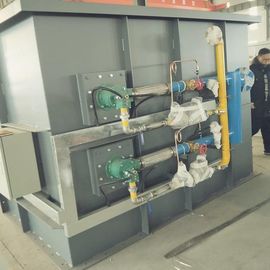
Burner Layout: Side-mounted Linear Arrangement
Application:: Resin, Paint, Glue, Silicone Oil, White Latex, Etc
Certification:: CE, ISO, SGS
After-sales Service Provided:: Engineers Available To Service Machinery Overseas
Insulation Thickness: 100–300 Mm Fiber Insulation
Place Of Origin:: Jinagsu, China (Mainland)
Highlight:

Automatic Uniform Heating System

Basic Infomation
Place of Origin: china
Brand Name: xly
Certification: CE, ISO, SGS
Payment & Shipping Terms
Packaging Details: standard export packing
Delivery Time: 90days
Payment Terms: L/C,D/A,T/T
Product Description
CE Automatic Pulse Heating Galvanizing Furnace System for Zinc Tank Line
Product Overview

This CE automatic pulse heating galvanizing furnace system is designed for industrial hot-dip galvanizing lines requiring stable zinc bath temperature control, uniform heat distribution, and continuous production reliability.

The system combines a zinc kettle structure, pulse combustion furnace, dual-zone thermal regulation, exhaust heat recovery, and PLC automation control. It is suitable for large-scale galvanizing production environments with flexible tank dimensions and high thermal load demand.

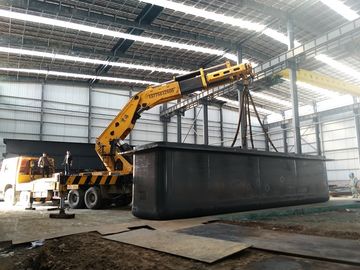
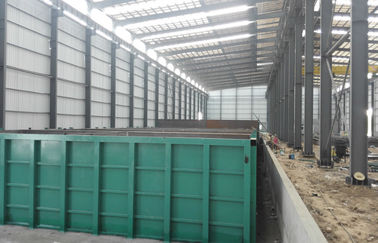
Typical engineering configuration supports zinc tanks such as 7000 *1200*2200 mm (L*W*D) and furnace bodies around 9000 *3200*1800 mm, depending on production capacity and line layout.

Thermal Stability & Process Challenges

In conventional galvanizing heating systems, process instability mainly comes from:

IssueTechnical Impact
Temperature inertiaSlow response → overshoot/undershoot of zinc bath temperature
Uneven furnace heatingLocal overheating → inconsistent coating quality
No heat recoveryHigh fuel consumption and energy waste
Weak process visibilityLimited real-time monitoring of furnace conditions
Thermal stress accumulationReduced service life of zinc kettle structure
Integrated Engineering Design

The system is engineered around closed-loop thermal control and energy optimization:

Pulse Combustion Heating System
FeatureFunction
High-speed pulse burnerDynamic adjustment of combustion intensity
PID control loopReal-time temperature correction
Auto mode switchingHeating ↔ stabilization near target temperature
Dual-Zone Furnace Control
ComponentFunction
Zone 1 & Zone 2 heating chambersIndependent thermal balancing
K-type thermocouples (dual set)Control + verification monitoring
Zinc bath sensorsDirect molten zinc temperature feedback
Heat Recovery System
ItemPerformance
Flue gas utilizationPreheats incoming combustion air
Energy optimization~10% fuel consumption reduction (process-dependent)
Automation & Control System
ModuleFunction
PLC control systemCentral process logic execution
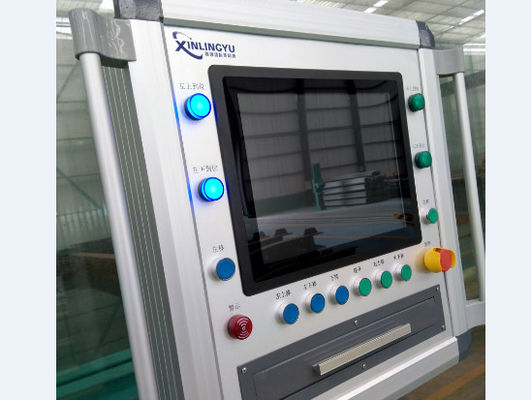
HMI interfaceReal-time monitoring & operation
Flow control valvesFuel-air ratio adjustment
Alarm systemFault detection and safety interlock
Key Technical Parameters
Furnace & Thermal Performance
ParameterValue
Zinc liquid working temperature435-450°C ±2°C
Furnace flue temperature≤650°C
Furnace wall temperature≤50°C
Temperature fluctuation±2°C
Heating uniformity±2°C
Heating rate60-200°C/h adjustable
Combustion System
ParameterValue
Burner configuration2 units
Burner power450 kW * 2
Fuel consumption~30 kg/hour (reference condition)
Fuel typeNatural gas / Heavy oil (optional)
Zinc Tank & Production Scale
ParameterValue
Zinc tank capacityup to ~280 tons (design-dependent)
Typical tank size7000*1200*2200 mm
Annual production capacityup to 20,000 tons
Furnace Structure & Engineering Features
Structure ItemTechnical Description
Furnace shell6 mm reinforced steel plate welded structure
Insulation systemFire-resistant fiber modules + insulation filling
Support structureSteel frame to reduce zinc pot deformation
Safety designZinc leakage detection + collection pit
Pressure systemFurnace pressure relief design for safety operation
Application Scope
  • Steel structure hot-dip galvanizing lines
  • Transmission tower and power pole galvanizing
  • Heavy fabrication industrial plants
  • Hardware and fastener surface treatment
  • Infrastructure corrosion protection systems
  • Continuous large-scale galvanizing production lines
Operating Principle (Closed-Loop Control Logic)
StepSystem Action
1Thermocouples collect furnace + zinc bath temperature data
2PLC compares real-time data with target setpoint
3PID algorithm calculates correction signal
4Burner air valve adjusts combustion intensity
5System switches between heating / stabilization modes
6Zinc bath temperature gradually stabilizes within target range

Control objective: Maintain zinc bath temperature stability while minimizing overshoot and thermal inertia effects.

Configuration Selection Guide
FactorSelection Logic
Tank sizeDetermines furnace geometry and heating distribution
Output capacityDefines burner power and system scale
Fuel typeNatural gas vs heavy oil system design
Automation levelManual / semi-auto / full PLC integration
Production scaleSingle line vs multi-zone continuous system
Frequently Asked Questions
Q1: What improves temperature stability in this system?

A dual-zone furnace structure combined with PLC-based PID control reduces temperature fluctuation to within ±2°C under normal operation.

Q2: Is this system suitable for large zinc tanks?

Yes, it supports large-scale tanks such as 7000*1200*2200 mm or customized industrial dimensions depending on layout design.

Q3: Can fuel type be customized?

Yes. The system supports both natural gas and heavy oil combustion configurations with automatic flow control.

Q4: How is energy efficiency improved?

Exhaust gas is reused to preheat combustion air, reducing fuel consumption by approximately 10% under standard operating conditions.

Q5: What ensures long-term furnace safety?

Structural reinforcement, zinc leakage detection system, pressure relief design, and real-time monitoring all contribute to stable long-term operation.

Recommended Products
Get in touch with us
Contact Person : Miss. Alice
Tel : 86-18626078867
Fax : 86-510-68930088
Characters Remaining(20/3000)