




TECHNICAL METHODOLOGY
Executive Summary & Thesis
The hot dip galvanizing industry is undergoing a structural paradigm shift driven by stringent global environmental mandates, rising energy costs, and strict occupational safety regulations. Traditional open-bath galvanizing lines, characterized by uncontrolled acid mist and zinc smoke release, are increasingly unviable for modern industrial manufacturing.
Core Thesis: Transitioning from traditional open-bath systems to fully enclosed, automated hot dip galvanizing architectures integrated with continuous exhaust scrubbing and pulse dust collection represents the most viable path to achieving operational efficiency, regulatory compliance, and workplace safety simultaneously.
Industry Bottlenecks & Root Causes
Industrial steel coating operations face severe operational hazards and environmental challenges during pretreatment and molten zinc dipping:
- Acid Mist Corrosiveness: Pretreatment pickling tanks release high levels of acid vapor, causing structural corrosion to overhead crane tracks, steel structural beams, and factory cladding.
- Fume Capture Inefficiency: Traditional lip hoods and side canopy hoods suffer from cross-draft interference, leaving up to 40% of zinc fumes uncollected during high-speed immersion cycles.
- Thermal Loss & Energy Waste: Unenclosed kettle areas suffer massive surface radiant heat loss, elevating fuel consumption and operational costs.
- Operator Safety Exposure: Manual skimming and hoisting near open molten zinc kettles expose plant operators to high heat, splashing, and direct fume inhalation.
Architectural Comparison: Open vs. Fully Enclosed Systems
Evaluating technical trade-offs between legacy open-bath configurations and modern automated enclosed lines is essential for engineering decision-makers.
| Engineering Criteria | Open-Bath with Side Canopy | Fully Enclosed Automatic Line |
|---|---|---|
| Fume & Dust Capture Rate | 60% – 75% (Vulnerable to cross-ventilation) | 95%+ (Negative-pressure containment enclosure) |
| Operator Exposure | High (Manual operation near kettle edge) | Minimal (Isolated automated control station) |
| Thermal Conservation | Low (High radiant surface loss) | High (Insulated enclosure retains ambient heat) |
| Equipment Longevity | Corrosion risk on overhead structural cranes | Isolated cranes and enclosed ductwork protection |
Enclosed Automated Galvanizing Line

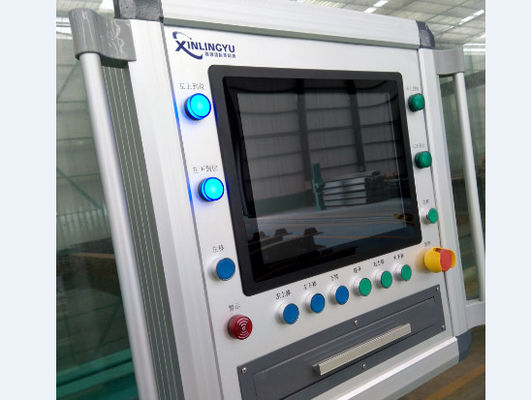
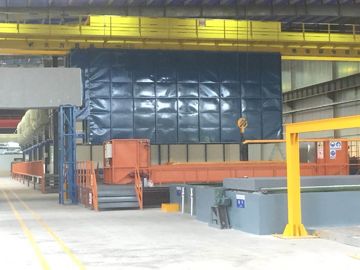
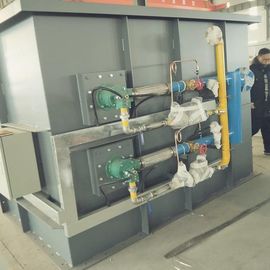
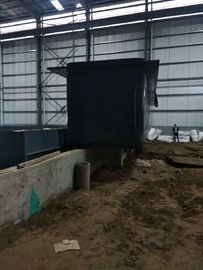
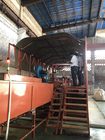
Automated enclosed hot dip galvanizing line integrated with centralized control station.
Modern automated lines feature a sealed process chamber that traps zinc fumes and heat during dipping cycles. Overhead hoists execute precise dip trajectories while operators control parameters from digital consoles outside the hazard zone.
External Exhaust & Dust Extraction
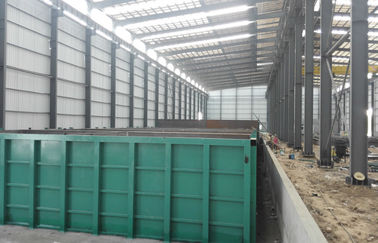
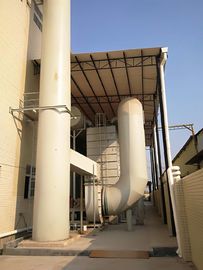
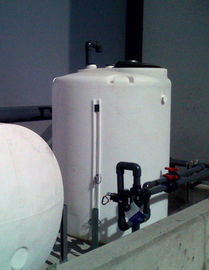
Exterior centrifugal exhaust fan paired with pulse dust collector and ducting infrastructure.
Extracted gases pass through heavy-duty industrial ducting connected to exterior centrifugal blowers, pulse dust towers, or wet scrubbers, guaranteeing compliant air discharge before atmospheric release.
Engineering Execution & Manufacturing Practice
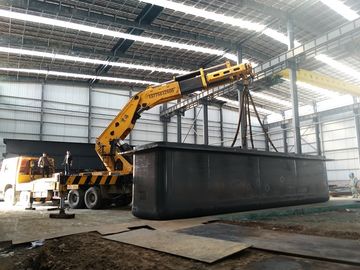
A real-world example of modern industrial manufacturing infrastructure is demonstrated at the production complex of XIN LING DOMAIN INTELLIGENT TECHNOLOGY (PIZHOU) CO., Ltd.
Manufacturing facility entrance of XIN LING DOMAIN INTELLIGENT TECHNOLOGY (PIZHOU) CO., Ltd.
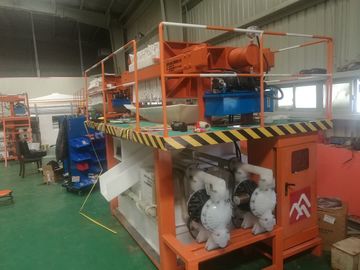
Integrating intelligent equipment manufacturing with standardized industrial plant design ensures that heavy equipment structures, environmental scrubbers, and automated hoist systems are aligned with operational workflows prior to field commissioning.
Implementation Checklist for Engineering Teams
When designing or upgrading a hot dip galvanizing facility, engineering managers should evaluate the following structural parameters:
- Negative-Pressure Air Balancing: Ensure the exhaust blower capacity creates sufficient negative static pressure inside the dip enclosure to eliminate escaping fume plumes during immersion.
- Corrosion Protection for Hoists: Position mechanical drive gearboxes and hoist electrical controls outside the acid mist enclosure or apply anti-corrosive protective covers.
- Scrubber & Collector Sizing: Pair wet scrubbers for acid pickling lines with pulse jet baghouses or dry collectors for particulate zinc smoke extraction.
- Automated Dip Trajectory Control: Utilize programmable logic controller (PLC) systems to adjust dipping speed and immersion angles for uniform coating thickness and minimal dross disturbance.
Conclusion & Strategic Next Steps
Building a compliant, high-yield hot dip galvanizing plant requires a holistic engineering approach that bridges equipment design, automated material handling, and efficient environmental treatment. Transitioning to fully enclosed, automated lines significantly reduces operational risk while securing long-term environmental compliance.
Next Steps: Conduct a comprehensive airflow and thermal loss audit of your current galvanizing plant layout to determine the retrofitting feasibility of enclosed process structures and dedicated fume collection infrastructure.