December 12, 2025
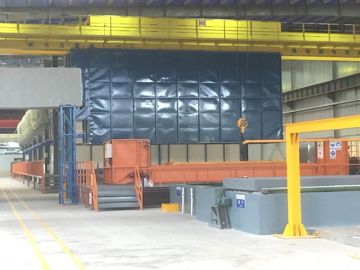
Corrosion is one of the biggest challenges in steel applications. From bridges to pipelines to automotive bodies, exposure to moisture and chemicals can quickly damage unprotected steel. This is why more manufacturers are investing in a Hot Dip Galvanizing Line—a proven solution to dramatically improve corrosion resistance.
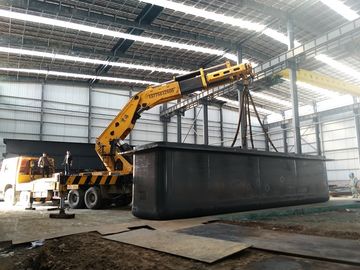
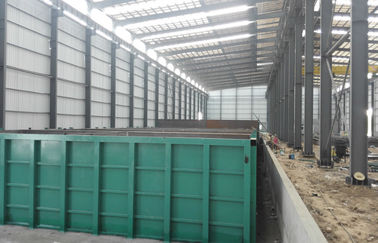
The principle behind hot dip galvanizing is simple: steel is immersed in a molten zinc bath, creating a metallurgical bond between zinc and iron. This produces a tough, durable coating that protects steel through both barrier protection and sacrificial protection. Even if the surface is scratched, zinc will continue protecting exposed areas.
Modern Hot Dip Galvanizing Lines also offer advanced pre-treatment processes including degreasing, pickling, and fluxing. These steps ensure perfect adhesion between steel and zinc, preventing defects such as bare spots or uneven coating thickness.
One key advantage of galvanizing compared to paint or electroplating is longevity. Galvanized steel can resist corrosion for decades, even in harsh industrial environments. This long service life makes it ideal for outdoor structures, coastal applications, and high-humidity areas.
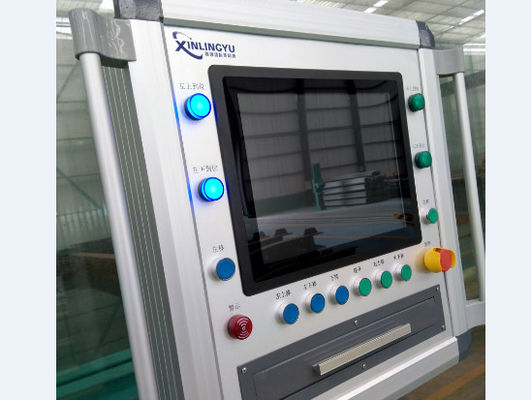
Beyond performance, a Hot Dip Galvanizing Line supports high production efficiency. Automated feeding, continuous annealing, and automated air-knife control allow manufacturers to produce large volumes of galvanized steel with consistent quality. This increases output while reducing labor costs.
Today, galvanized steel is used in construction beams, guardrails, agriculture equipment, warehouse racks, solar structures, and auto parts. As markets continue to prioritize durability and sustainability, the demand for Hot Dip Galvanizing Lines is expected to grow immensely.