How Hot Dip Galvanizing Equipment Improves Corrosion Protection for Steel Structures
In the global infrastructure and construction industry, corrosion protection has become a critical factor in ensuring the long-term durability of steel structures. As a professional manufacturer, Jiangsu XinLingYu Intelligent Technology Co., Ltd. provides advanced hot dip galvanizing equipment designed to deliver consistent zinc coating quality and high production efficiency for steel manufacturers worldwide.
Hot dip galvanizing is widely recognized as one of the most effective anti-corrosion treatments for steel components such as transmission towers, highway guardrails, steel frames, and photovoltaic mounting systems. With properly designed equipment, manufacturers can significantly extend the service life of steel products while reducing maintenance costs.
Why Hot Dip Galvanizing Technology Is Essential
Steel is one of the most widely used construction materials, but it is also highly susceptible to corrosion when exposed to moisture and environmental pollutants. Hot dip galvanizing creates a protective zinc coating that forms a strong metallurgical bond with the steel surface.
Compared with traditional coating methods, hot dip galvanizing offers several advantages:
-
Long-lasting corrosion resistance
-
Uniform coating thickness
-
Strong adhesion to steel surfaces
-
Minimal maintenance requirements
With high-quality galvanizing, steel products can achieve corrosion protection for 30 to 50 years, even in harsh environments.
Key Technical Parameters of Modern Galvanizing Equipment
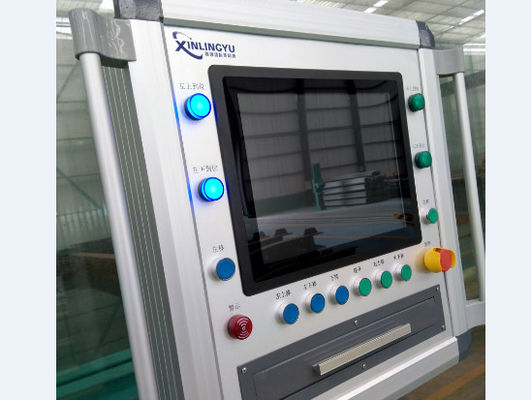
The performance of galvanizing lines largely depends on the design and control accuracy of the equipment. Advanced hot dip galvanizing equipment is equipped with intelligent temperature control systems that maintain molten zinc temperature at approximately 450±5°C, ensuring stable coating quality.
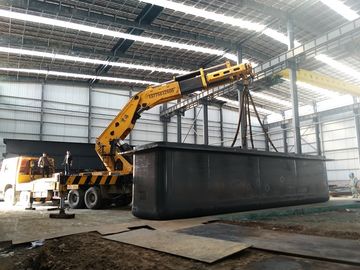
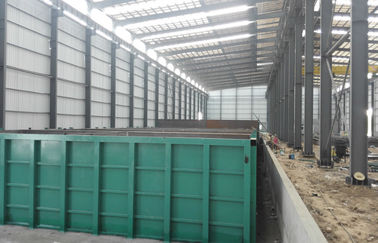
Another important parameter is the size of the galvanizing kettle. Modern galvanizing plants often use kettle lengths of 10–13 meters, allowing manufacturers to process larger steel structures such as guardrails and power transmission components.
These technical parameters directly influence coating uniformity, zinc consumption, and overall production efficiency.
Automation Brings Higher Production Efficiency
Automation is becoming an important trend in galvanizing plants. Modern galvanizing lines integrate PLC control systems and automated material handling equipment.
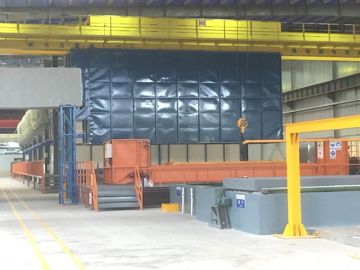
A typical automated galvanizing line includes:
Surface Preparation Section
Steel parts undergo degreasing, pickling, and rinsing to remove contaminants.
Fluxing Process
Flux treatment ensures better bonding between molten zinc and steel surfaces.
Galvanizing Section
Steel components are immersed in molten zinc at controlled temperatures.
Cooling and Inspection
Products are cooled and inspected to ensure coating quality.
With optimized production design, many galvanizing lines can achieve production capacities of 8–15 tons per hour, significantly improving operational efficiency.
Industries That Benefit from Galvanizing Equipment
High-performance hot dip galvanizing equipment is widely used across multiple industries:
-
Power transmission tower manufacturing
-
Highway guardrail production
-
Steel structure fabrication
-
Solar mounting systems
-
Industrial infrastructure construction
These industries rely on galvanizing technology to ensure product durability and compliance with international standards such as ISO 1461.
Conclusion
As global demand for corrosion-resistant steel continues to grow, manufacturers are increasingly investing in advanced galvanizing solutions. With innovative engineering and automation technology, Jiangsu XinLingYu Intelligent Technology Co., Ltd. continues to supply reliable hot dip galvanizing equipment that helps steel producers enhance product quality, production efficiency, and international competitiveness.
SEO Keywords
hot dip galvanizing equipment, galvanizing plant, steel galvanizing line, galvanizing machinery
FAQ
1. What industries use hot dip galvanizing equipment?
It is commonly used in steel structure manufacturing, power transmission towers, guardrails, and photovoltaic mounting systems.
2. What temperature is used in galvanizing?
Molten zinc temperature is typically controlled around 450°C.
3. What is the typical production capacity?
Most galvanizing lines operate between 8–15 tons per hour depending on design.
4. Can galvanizing lines be customized?
Yes, equipment can be designed according to the size of steel components.
5. What standards does galvanizing follow?
Common standards include ISO 1461 and ASTM galvanizing standards.


 Your message must be between 20-3,000 characters!