What Are the Main Components of a Hot Dip Galvanizing Line and How Do They Work?
A Hot Dip Galvanizing Line is a sophisticated production system composed of multiple mechanical, thermal, and chemical units working together. But what exactly are the key components, and how do they contribute to the galvanizing process?
The line typically begins with an entry section, where steel coils or sheets are fed into the system. This part includes an uncoiler, welding machine, and accumulator to maintain continuous production.
Next comes the pre-treatment section. Here, the steel undergoes cleaning, degreasing, pickling, and fluxing. These processes remove impurities and prepare the steel surface for optimal zinc adhesion.
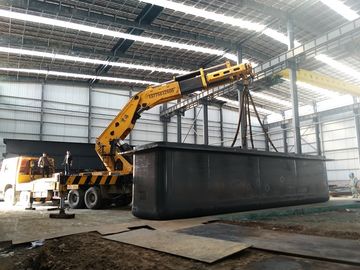
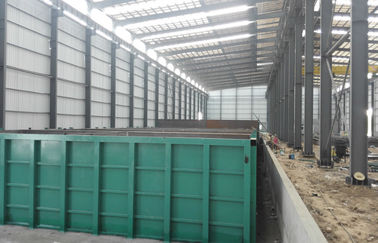
The core of the Hot Dip Galvanizing Line is the zinc pot, where molten zinc is maintained at stable temperatures. Advanced lines use induction-heated ceramic pots, improving energy efficiency and coating stability. Air-knife systems located above the zinc pot regulate coating thickness by blowing off excess zinc.
After the zinc coating is applied, the steel enters the cooling and solidification area. Cooling towers, air blowers, and quenching tanks help rapidly stabilize the zinc layer and ensure a smooth, uniform finish.
Finally, the exit section includes tension levelers, surface inspection systems, and recoilers. Automated quality testing equipment ensures that coating thickness meets international specifications.
Each component plays a critical role in producing high-quality galvanized steel. As automation technology continues to evolve, modern Hot Dip Galvanizing Lines are becoming more precise, energy-efficient, and environmentally friendly—making them vital to steel manufacturers worldwide.


 Your message must be between 20-3,000 characters!